Technical information

Yarns we use

It is a cotton whose fibers have been subjected to a mechanical combing operation in order to remove impurities and short fibers, thus obtaining a much softer, smoother and more resistant fabric.
It is used in fashion, work and school clothing.
Suitable for washing at low temperature and ironing.

Polyester is a type of plastic resin derived from petroleum. It is very durable and resistant, so it doesn't shrink or wrinkle. Maximum washing temperature 60°C. Not suitable for ironing.
Its uses:
Fashionable clothing made with synthetic fabrics.
For colored stripes on school collars, especially on white base collars.

Acrylic fibers are manufactured from petroleum-derived products by melting and extruding the materials into long, thin fibers.
In particular, regular acrylic has a similar appearance to cotton, but retains the characteristics of a synthetic fiber. It offers high durability and resistance to washing.
Its uses: recommended for the collars and cuffs of school and work uniforms.
It is a variety of polyester yarn but differs in its texture which is similar to regular acrylic.
Its uses: recommended for the collars and cuffs of school and work uniforms.
It consists of aluminum thread coated with a transparent plastic film in various colors, which gives the garment a shiny appearance. This yarn was very fashionable in the 1960s and 70s and is still used today for different types of clothing.
Uses: It is combined in woven accessories in the form of stripes or piping.

Elastane is a flexible, elastic material with great strength. It is used to create fabrics blended with other natural or synthetic fibers, providing greater elasticity. It is especially used in the manufacture of clothing and textile accessories where comfort and a better fit are desired. It can stretch from 4 to 7 times its original size.
Uses: finishing for collars and cuffs of t-shirts.

Coated elastic yarn, made with an elastomer core or filling covered by continuous textured polyester filaments. It can be used for woven accessories requiring greater elasticity.
Uses: combined on waistbands and cuffs for sweatshirts, jackets and pants.

Types of tissues

Flat knitting machines have two plates, each filled with needles, facing each other obliquely.
A carriage carries the yarn along these plates and raises the needles to create the fabric. Different types of fabric are formed by combining the working needles and the active plates (front, back, or both).

Punto liso

Plain knit

In this fabric, all the needles on both the front and back plates are put to work.
This fabric can be seen in the collars of polo shirts and in the waistbands and cuffs of classic varsity jackets.

Morley 2x1

Morley 2x1

In this case, the working sequence of the needles will be two active needles knitting and the next needle inactive (not knitting).
This sequence is repeated throughout the entire machine, on the front and back panels.
This arrangement creates Morley, a ribbed fabric. Other variations of Morley include 1x1 and 3x2.

Jacquard

Jacquard

Special type of knitting: "needle by needle selection." Each needle is individually instructed on the color it should knit, resulting in phrases or written marks, borders, and small logos.

Relieve

Relief

A few rows are knitted only on the front panel, and then knitted again on both panels. This creates a raised effect or "belly" on the knitted accessory.

Picot

Picot

By selecting the right needles, the fabric is held on specific needles for a few passes, creating a curved or crescent-shaped effect at the beginning of the knitting. This can be done on the collars and cuffs of sweaters.

Transferencia

Transfer

By selecting needles, the thread is transferred from a front needle to a back needle (or vice versa), creating a ribbing in the fabric. This ribbing will remain as long as the needle that transferred the thread remains inactive.

Transferencia y variado

Transfer and varied

In addition to the previous operation, there is a variation process, which consists of moving one plate (either the front or the back) to one side. This movement is done sequentially, to one side and then back again. With this addition, besides the ribbing created by the transfer, a diagonal weaving effect is achieved.

Tejidos Lurex

Fabric with Lurex

Lurex is a thread made of plastic and aluminum, and it comes in a variety of colors. The most common are silver and gold, but it's also available in red, green, black, white, light blue, lilac, and others.

Mil rayas

Thousand stripes

It consists of continuously weaving, alternating two colors, achieving the "thousand stripes" effect.

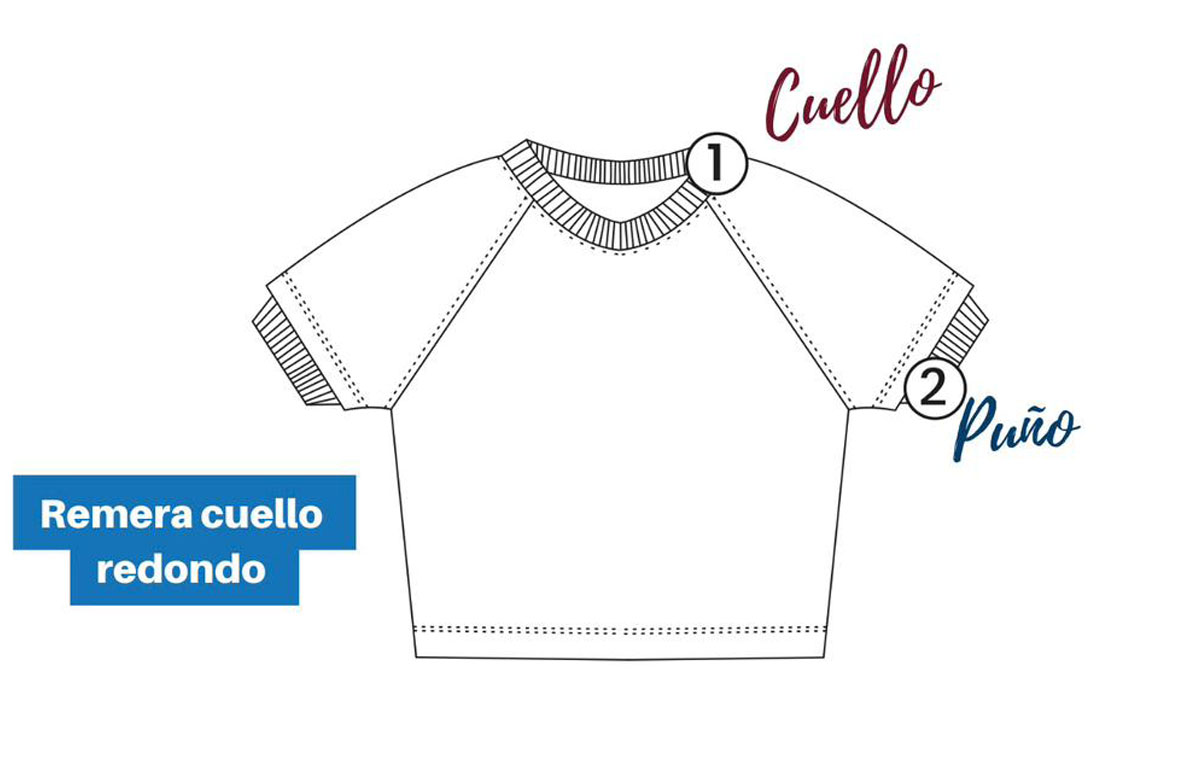
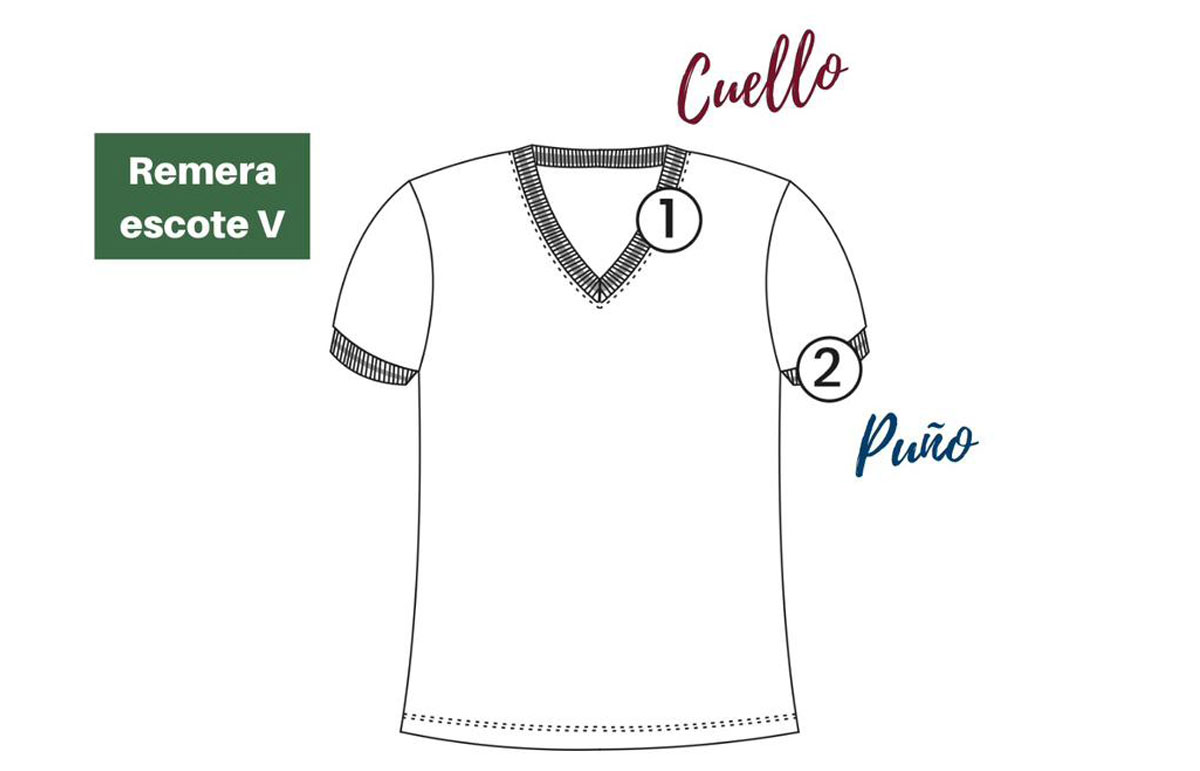
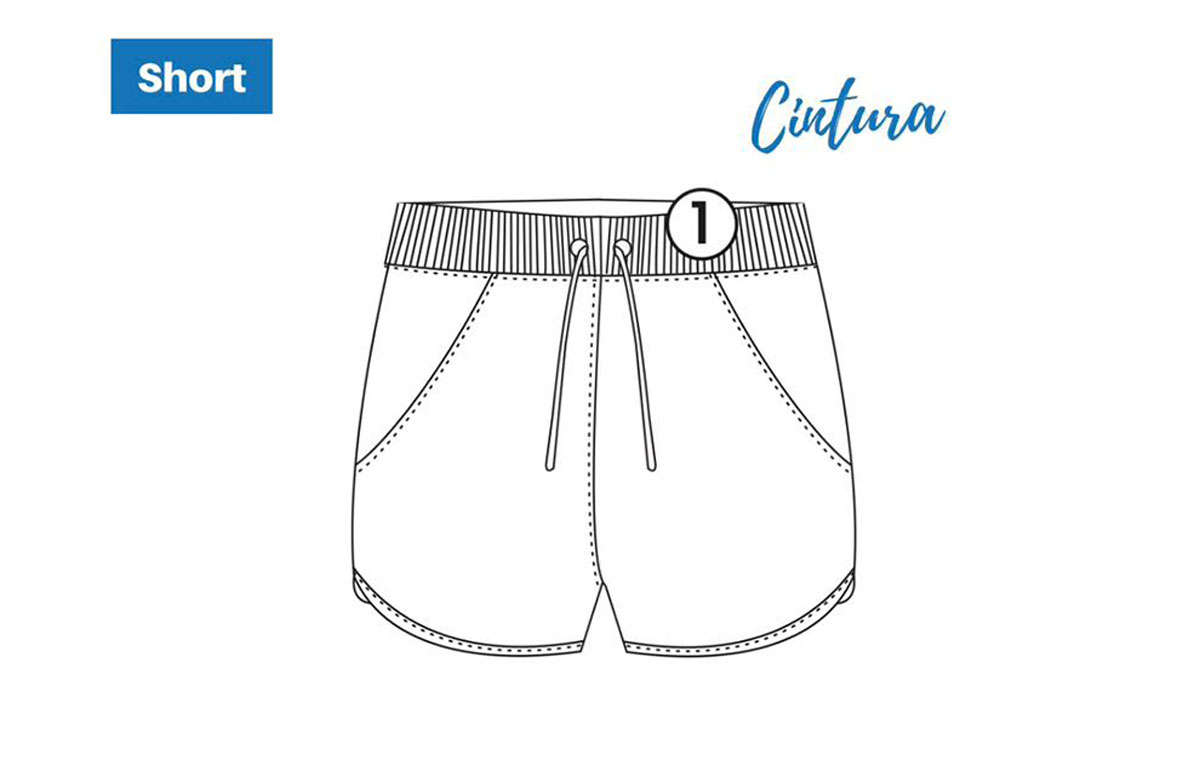
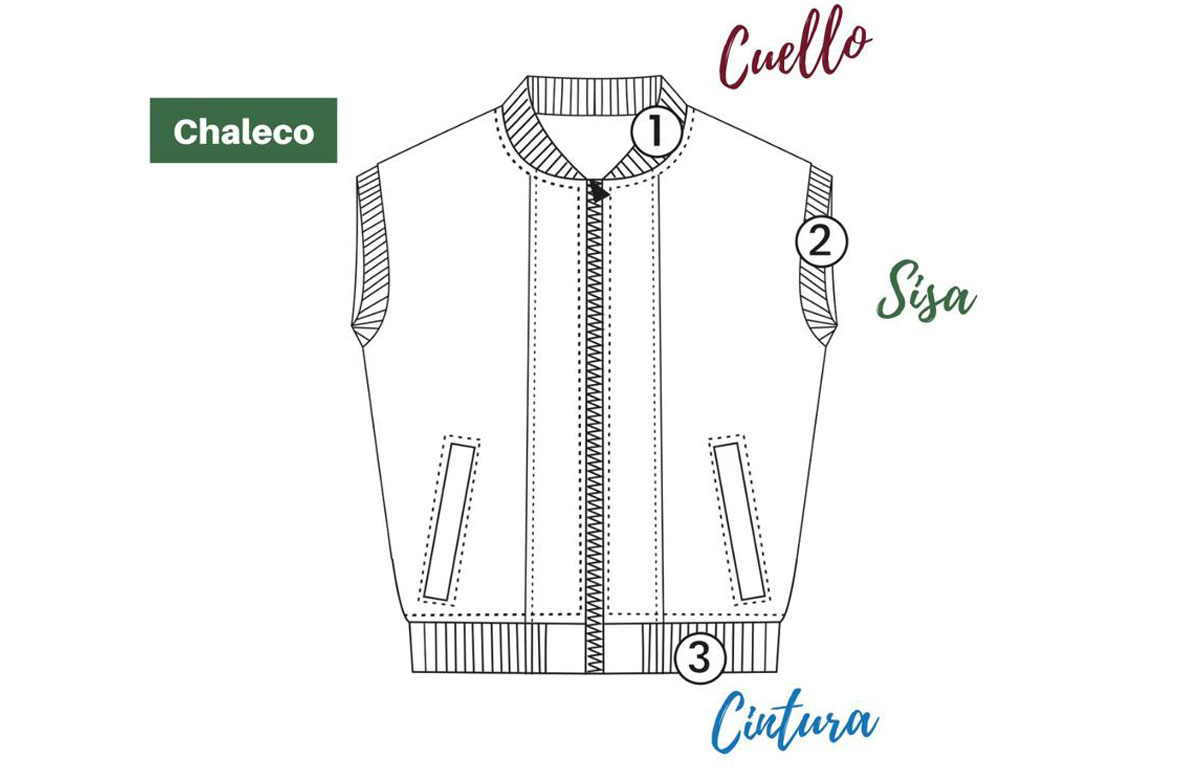
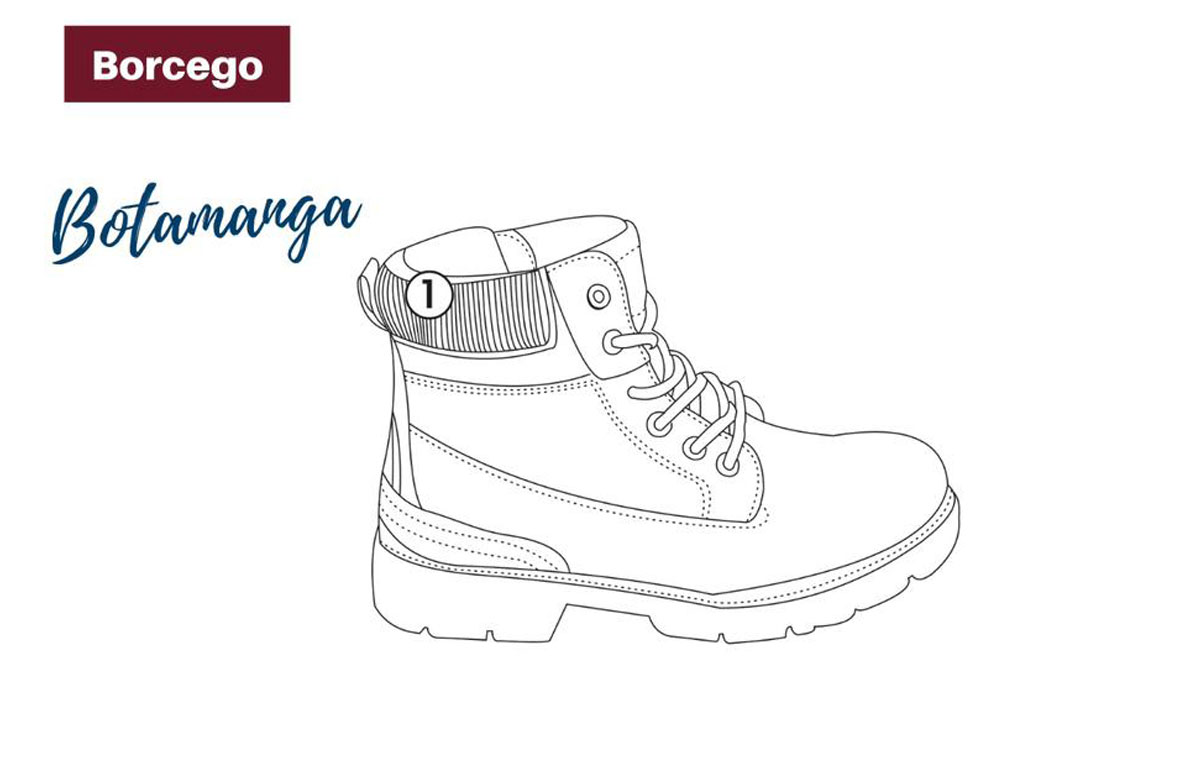
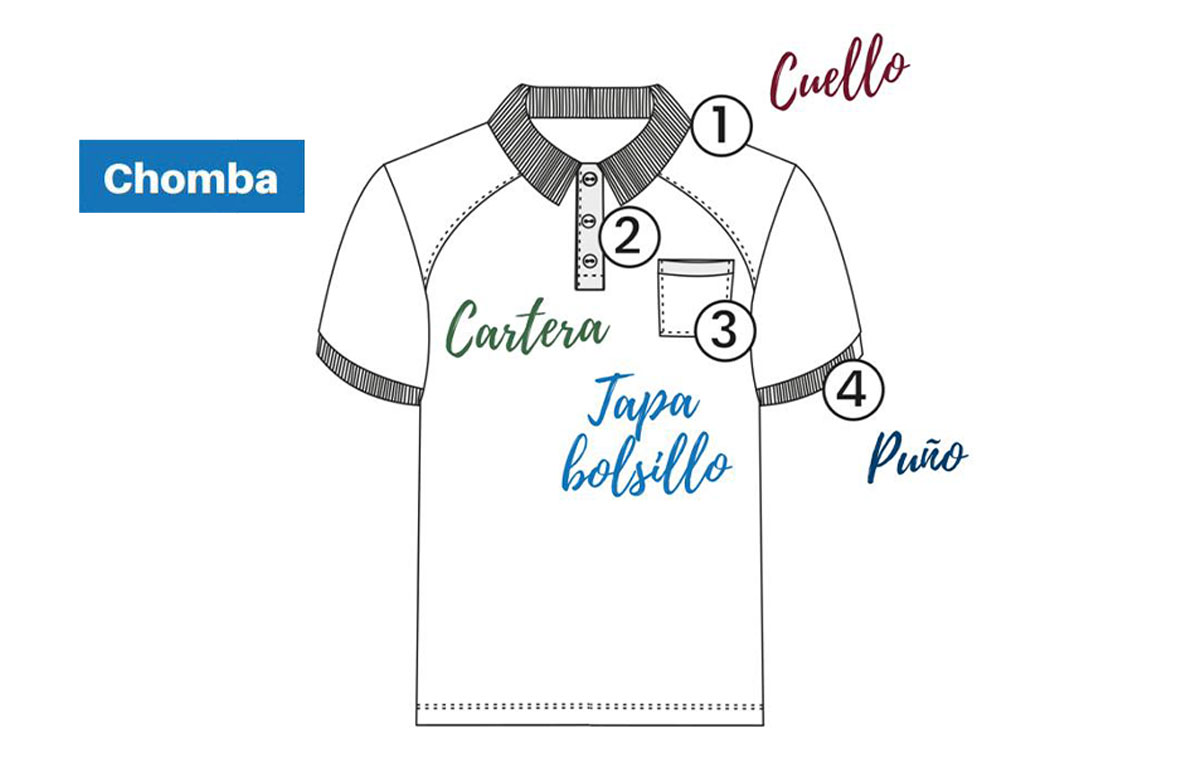
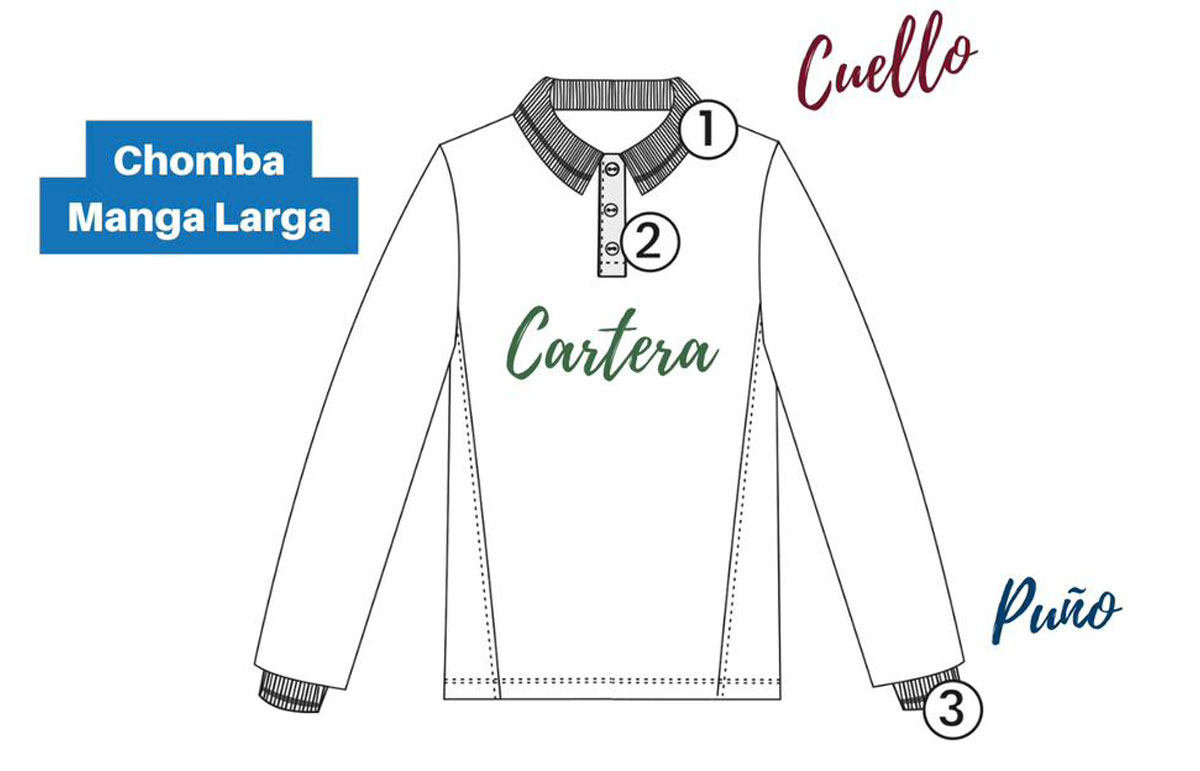
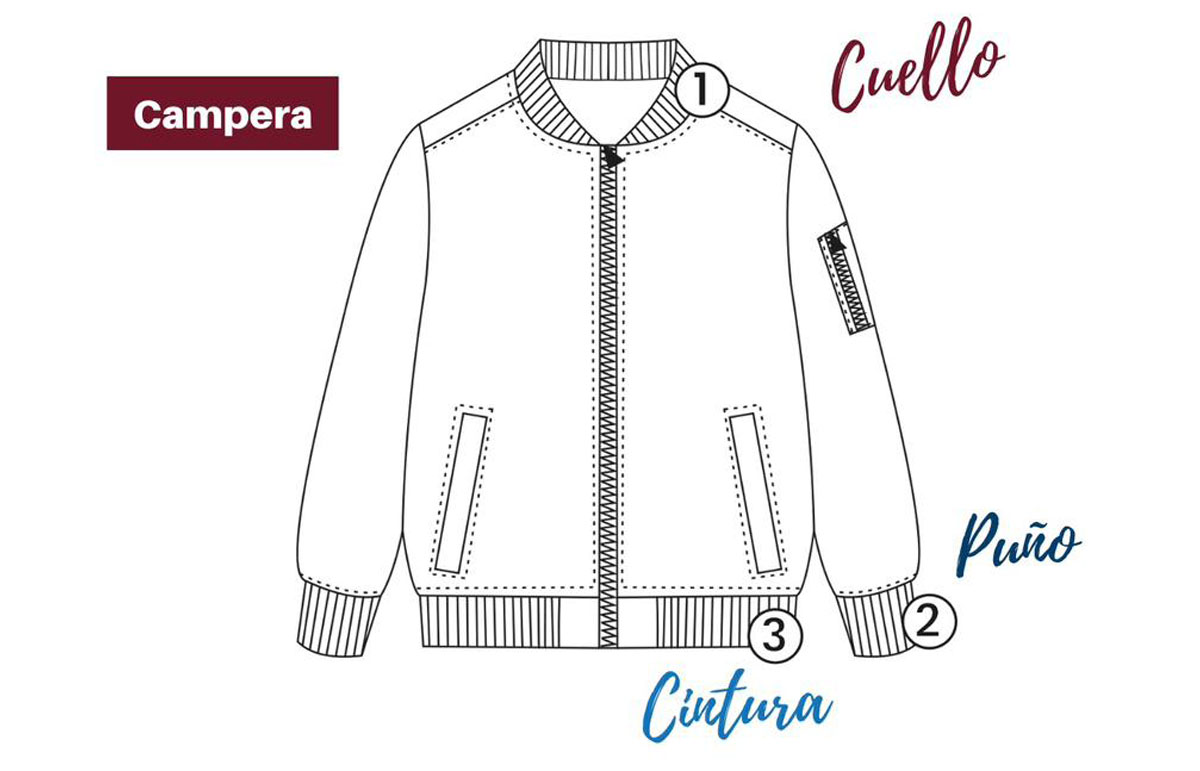
Our woven accessories with their names

Reference measurements for polo shirt collars

Scroll to Top